Posts tonen met het label 9/11. Alle posts tonen

zaterdag 14 december 2013

TV-nieuws op de kaart

Understanding 9/11, het audio-visueel archief van The Internet Archive over 11 september, kende ik al. Maar het TV news Archive, waar je door het Amerikaanse TV-nieuws kunt zoeken, dat Jason Scott tijdens DISH13 liet zien kende ik niet: 
the Internet Archive collects and preserves television news.  Like library collections of books and newspapers, this accessible archive of TV news enables anyone to reference and compare statements from this influential medium.
The collection now contains 506,000 news programs collected over 4 years from national U.S. networks and stations in San Francisco and Washington D.C.  The archive is updated with new broadcasts 24 hours after they are aired.  Older materials are also being added.
Use the index of searchable text and short, streamed clips to find programs to borrow on DVD-ROM or view at the Internet Archive’s library in San Francisco.
(Die laatste constructie - enkel clips online en DVD's lenen of in San Francisco kijken - is natuurlijk de bibliotheek-oplossing voor de auteursrechten-problematiek.)
Het interessante van het TV News Archive is dat je het op trefwoord kunt door zoeken en dan op een tijdlijn alle resultaten krijgt. Zo kun je kijken hoe de Amerikaanse media berichten over het overlijden van Nelson Mandela vorige week. En hier zie je alle Amerikaanse nieuwsuitzendingen over Geert Wilders.
Het wereldkaartje helemaal bovenaan dit blog is ook heel fascinerend.
Kalev Leetaru heeft de 400.000 uur aan nieuwsopnamen "gegeocodeerd" door alle in de uitzendingen genoemde plaatsnamen op de kaart te plotten. Het gifje hierboven is maar een uitsnede, op TvGeo kun je inzoomen op de kaart, en zoeken op plaatsen. En ja er zitten fouten in, want dit gaat wel over Margraten, maar al deze uitzendingen gaan natuurlijk echt niet over de Heek in Klimmen. Maar zoals op het blog van The Internet Archive staat:
 Keep in mind that as you explore, zoom-in and click the locations in these pilot maps, you are going to find a lot of errors. What you see here represents our very first experiment with revealing the geography of television news and required bringing together a bunch of cutting-edge technologies that are still very much active areas of research. While there is still lots of work to be done, we think this represents a tremendously exciting prototype for new ways of interacting with the world’s information by organizing it geographically and putting it on a map where it belongs!
En het is inderdaad tremendously exciting.

Gerelateerd
Hyves, Retronaut en 3D-objecten #dish13
Mooiste TV (uit Duitsland en België)
De digitale archieven van de BBC

zondag 11 september 2011

11 september en herinneringen

De hele week wordt in alle media aandacht besteed aan 11 september 2001. De NRC had de hele week korte stukjes waarin Bekende Nederlanders vertelden wat zij op die dag aan het doen waren. Wat mezelf betreft: ik was gewoon thuis, want ik had vakantie. Ik heb het idee dat ik rond half vier wist dat er iets met het WTC gebeurd was en in mijn herinnering heb ik de torens "live" zien instorten.
Wat ik me ook nog herinner, is dat wij vrijdag 14 september op vakantie gingen naar de Algarve. Ik weet niet meer hoe laat we vertrokken, maar weet wel dat we in het vliegtuig, op de startbaan, de drie minuten stil zijn geweest, zoals iedereen overal in de wereld op dat moment. Hiermee hangt de herinnering samen dat we toen we terug vlogen vanuit Portugal, mijn zakmes moesten inleveren. Dat mocht opeens niet meer mee in de handbagage.

Interessant is nu wat Margriet van der Heijden vorige week in de NRC schreef:
Een rijkdom aan details biedt vooral de illusie van authenticiteit, schrijven de Amerikaanse hoogleraren Christopher Chabris en Daniel Simmons in hun boek De onzichtbare gorilla. Ze merkten het zelf toen ze naaste collega’s en familieleden naar 9/11 vroegen. Die verhalen strookten helemaal niet met elkaar. X wist zeker dat hij het nieuws van Y had gehoord en direct naar Z was gelopen. Maar Z zei juist dat hij het nieuws aan X had overgebracht. En Y dacht weer dat hij uit gewoonte de tv had aangezet. Enzovoorts.
In een veel systematischer onderzoek werden studenten direct na de ramp, en vervolgens een week, zes weken en 32 weken later over 9/11 ondervraagd. En? Inderdaad: geen detail was veilig. Gezelschappen veranderden van samenstelling, de klok verschoof, kamers verwisselden... Alleen één ding bleef gelijk: de studenten waren rotsvast van de betrouwbaarheid van hun flitsherinneringen overtuigd.
En dat brengt me weer bij iets anders: het oral history-project van het Veteraneninstituut, waarin 500 Nederlandse veteranen van alle conflicten en militaire missies waar Nederland in betrokken was.
De interviews zijn allemaal (na registratie) te beluisteren en vormen op die manier een persoonlijke aanvulling op de "officiële" geschiedenis. Maar ook hiervoor geldt:
De mensen die de collectie van het IPNV willen raadplegen moeten zich bewust zijn van de eigenschappen van Oral History. ‘Feit’ en ‘beleving’ werken namelijk soms zodanig op elkaar in dat mensen die hetzelfde hebben meegemaakt tot een heel verschillende conclusie kunnen komen. Wie wil weten ‘wat er precies gebeurd is’ zal ook andere bronnen moeten raadplegen of naar verschillende verhalen moeten luisteren. Ook zal niet alles wat in de interviews gezegd wordt exact kloppen. Mensen spreken soms jaren later over hun ervaringen en kennen niet meer de exacte naam van hun wapen, of van hun legering. Soms halen ze jaartallen door elkaar.
Een verantwoord gebruik van dit soort bronnen vereist dus een degelijke bronnenkritiek.
Gerelateerd
Macht, archiefvorming en archieven
Falling Man - Don Delillo
Beeldrijm

Plaatje: The falling man van Richard Drew, waar deze geweldige documentaire over gemaakt is.

zaterdag 19 maart 2011

Macht, archiefvorming en archieven

Ik zit een beetje in de Amerikaanse archieven de afgelopen weken. Deze keer niet over Oswald en de CIA, maar over 9/11 en het archief.
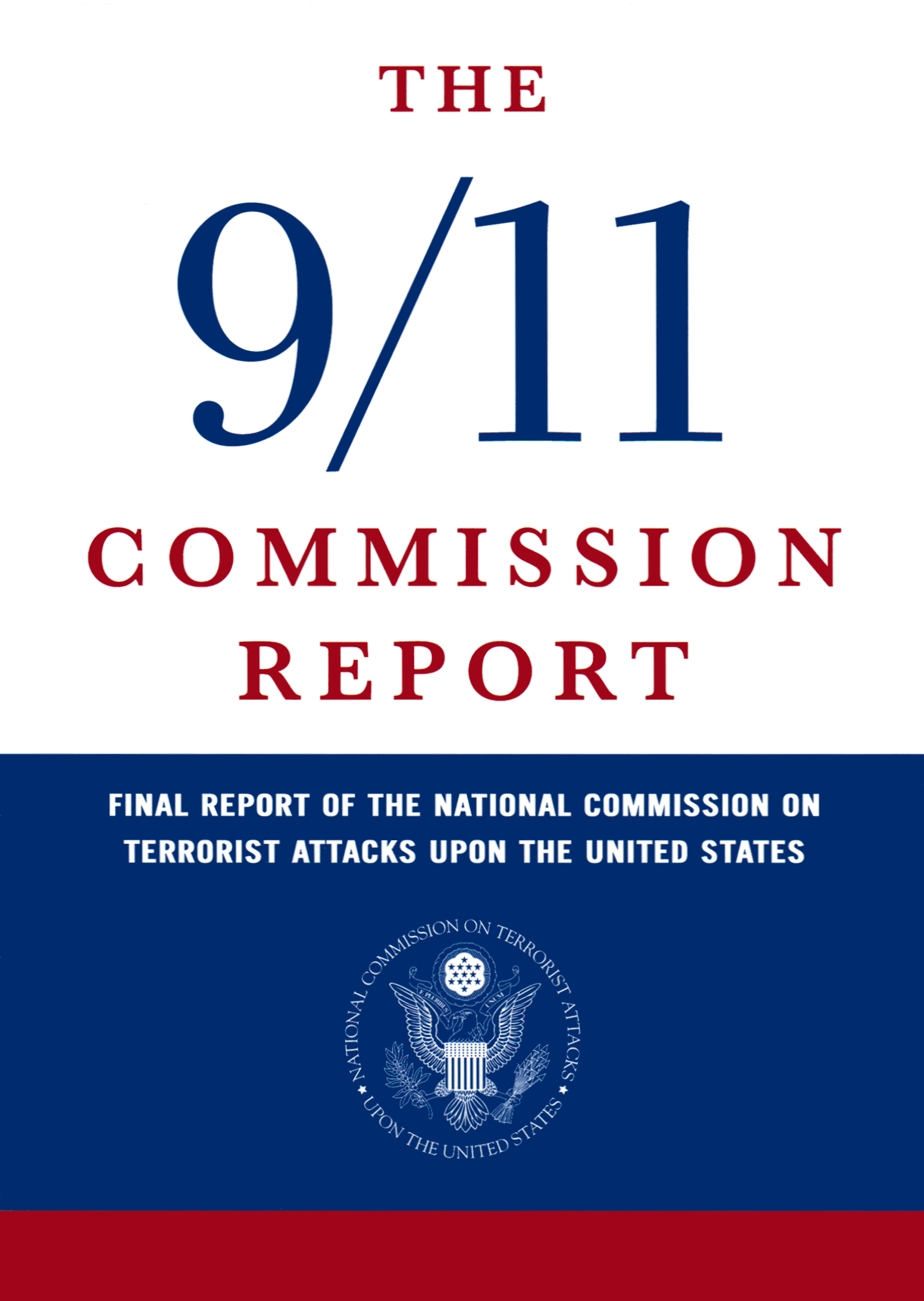
David Wallace en Lance Stutchell schreven een bijzonder interessant artikel over het archief van de 9/11-commission: Understanding the 9/11 Commission Archive: Control, Access, and the Politics of Manipulation (pdf).
This article examines a range of issues surrounding the archive developed by the National Commission on Terrorist Attacks Upon the United States, better known and the “9/11 Commission.” We provide a partial biography of the 9/11 Commission’s archival record as it was being assembled. This contemporaneous analysis of the politics surrounding this archive during its formative stage lends insights into the political and power dynamics shaping this archive. We review how the public record and public knowledge of 9/11 was shaped by the processes surrounding the accretion of this archive by charting records access and control controversies before, during, and years after the Commission submitted its final report. Despite claims from all sides that what was needed was an unfiltered, non-partisan and accurate review of what went wrong and how it went wrong, the story we outline underscores that the composition, accumulation, access to, and control of the archival record surrounding 9/11 is shaped as much by political concerns over blame and responsibility (and evading it) as it is by good faith efforts to get to the heart of the matter. In the charged atmospherics of modern US politics, custodial power over the record and access to it was used to prevent political embarrassment and to submerge - as opposed to surface - basic facts. Those with powers over access were not willing to risk having the documentary record either accessed or analyzed in a truly independent manner. This does not bode well, and in fact represents a deeper structural reality that will confound similar future governmental investigations that require access from those it is investigating. There is no reason to doubt that, absent a seismic shift in how the record is maintained and controlled, the archive will continue to be used as a means to shape and interfere with legitimate inquiries.
In het artikel gaan Wallace en Sutchell uitgebreid in op de strijd die de commissie moest voeren met onder andere het Witte Huis, NORAD en nog zo wat instanties over toegang tot archieven. Heel interessant, maar  nu beperk ik me tot een fijne anekdote uit het artikel over fysieke manipulatie (en diefstal) van archieven.
In 2005 werd Sandy Berger, de vroegere National Security Adviser van president Clinton, veroordeeld wegens "“unauthorized removal and retention of classified documents….to stuffing copies of documents in his coat jacket as he left the National Archives and then destroying some at his office and pretending he had never possessed them”
A National Archives staff member had seen Berger in a hallway with what appeared to be papers tucked into his socks and showing from his pants leg. On his fourth and final visit on October 2, 2003, the Archives staff decided to test their suspicions, in part by lightly numbering the back of documents provided to him, where any absence would be readily identifiable afterwards. During this visit Berger stole four additional copies of the Clarke after-action assessment plus his notes. An Archives staffer working with him reported feeling “almost physically ill” after documenting the theft.
In dit verhaal gaan de medewerkers van NARA trouwens ook niet vrijuit:
One elemental insight from this episode on the relationship between power and archives was the fact that Berger had, in violation of “government rules on the handling of classified documents,” been given preferential treatment by Archives staff due to his status. In violation of its own regulations the Archives allowed Berger to perform his review in the office of a high level archivist who oversaw White House records. Archives staff had also allowed themselves to be manipulated by Berger by allowing him to be alone with the classified information provided to him – also a violation. Commission chronicler Philip Shenon noted that, instead, he:
"should have been monitored by a guard or a surveillance camera. He should have been forced to leave his cell phone behind. But the Archives had long made exceptions to former senior officials like Berger. He might be out of government now, but the Archives staff knew that in Washington’s revolving door, Berger was likely to be back in power in a future Democrat[ic] administration… and able to make trouble for the Archives and its budget requests. [Better to k]eep him comfortable. Keep him happy." (Shenon 2008, pp. 3-4)
Al met al is het artikel van Wallace en Stutchel met 46 pagina's redelijk lang, maar als je wil lezen over de relatie tussen macht, archieven en "de waarheid" is het zeer de moeite waard.
Zijn er nog studenten Archiefwetenschap op zoek naar een scriptie onderwerp? Volgens mij zijn er wel vergelijkbare Nederlandse archieven die het bestuderen waard zijn...

Gerelateerd
Falling man - Don Delillo
Diefstal in het Stadsarchief
Een dagje Den Haag
Archiefpolitie
Over de openbaarheid van een inspectierapportage
Top Secret America